The Future of Solar Energy in India Trends, Opportunities & Profits in 2026
Solar Technology
•
17 March, 2026
Rising electricity prices are a big worry for Indian businesses and homes in 2026. Every year, monthly electricity costs rise, particularly during the busiest summer months. However, what if you could cut your electricity costs by as much as 90% or even do away with them entirely? Solar energy provides just that. We'll explain how solar energy works, how much you can save, and why now is the ideal time to switch in our comprehensive guide.
1. How Does Solar Energy Operate?
Solar energy is produced by employing Solar panel installation to transform sunlight into electrical power. Usually, these panels are mounted on rooftops where they get the most sunshine possible all day long. Typical solar systems consist of: Solar panels • An inverter • The mounting framework • Net meter (for systems connected to the grid) Your home or place of business is powered by the generated electricity, which lessens your reliance on the grid.
2. How Solar Energy Lowers Your Power Cost
Here's how solar energy can help you save money:
- Produce Your Own Energy Your solar system generates free electricity from sunlight rather than purchasing it from the grid.
- Advantages of Net Metering You receive credits when excess electricity is returned to the grid through net metering. This lowers your bill even further.
- Reduced Peak Fees During the day, when electricity rates are often greatest, solar systems produce the most power. Real Savings: Can 90% Be Saved? Yes, and here's a real-world example: • The typical household pays ₹5,000 a month for power.
There is a 5kW solar system installed. • The bill is lowered to ₹500–₹800 each month. Monthly savings: over ₹4,000 Annual savings: over ₹50,000 Over a 25-year period, that equates to savings of over ₹12–15 lakhs!
3. The Appropriate Solar System Size for Your Home
Choosing the right system size is essential: Small homes with a 3kW system (billable at ₹2,000–₹3,000) • 5kW System Medium-sized homes (bills between ₹4,000 and ₹6,000) • 10kW solar System: Large homes or villas A knowledgeable solar provider can help you select the best system based on your usage.
4. Government Assistance for 2026
The Indian government is actively promoting solar energy with enticing incentives. Principal Benefits • Lower installation costs; a 40% discount for residential clients • A faster return on investment (ROI) This has made solar energy more accessible than before.
5. ROI, or return on investment
One of solar energy's biggest advantages is its quick payback period. • The initial investment ranges from ₹2 to 5 lakhs, depending on the system's size. • The payback period is three to five years. • Expected lifespan: over 25 years After ROI, your electricity is almost free for over 20 years.
6. Advantages for the Environment
Switching to solar isn’t just good for your wallet—it’s great for the planet. • Lowers carbon emissions • Reduces reliance on fossil fuels • Encourages sustainable and clean energy Every year, a 5kW system can cut CO2 emissions by more than 6 tonnes.
7. Typical Errors to Avoid
Avoid these errors before installing solar:
-
Selecting the incorrect system size
-
Disregarding panel quality
-
Failing to verify installer experience
-
Neglecting necessary upkeep
-
Not being aware of the net metering policy A seamless experience is guaranteed when working with a reputable solar EPC company.
8. Maintenance & Lifespan
Very little maintenance is needed for solar systems. Every 15 to 30 days, clean the panels. • A yearly system inspection • Replacing the inverter after eight to ten years Solar energy is a long-term investment because panels usually last 25 years or longer.
9. Why Going Solar Is Best in 2026
Here's why you shouldn't put it off: • The cost of electricity is increasing. • Future government subsidies could decline. • The efficiency of solar technologies has increased. • ROI is now quicker than before. You save more money the earlier you install solar.
Conclusion
In 2026, solar energy will be a need rather than a luxury. Making the move to solar power is one of the best financial choices you can make because of the growing cost of electricity, alluring government incentives, and long-term savings. Imagine making a positive impact on the environment while spending nearly nothing for
Table of Content
- Introduction
- How Does Solar Energy Operate?
- How Solar Energy Lowers Your Power Cost
- The Appropriate Solar System Size for Your Home
- Government Assistance for 2026
- ROI, or return on investment
- Advantages for the Environment
- Typical Errors to Avoid
- Maintenance & Lifespan
- Why Going Solar Is Best in 2026
- Conclusion
Related Posts

The Future of Solar Energy in India Trends, Opportunities & Profits in 2026
Rising electricity prices are a big worry for Indian businesses and homes in 2026. Every year, monthly electricity costs rise, particularly during the busiest summer months. However, what if you could cut your electricity costs by as much as 90% or even do away with them entirely? Solar energy provides just that. We'll explain how solar energy works, how much you can save, and why now is the ideal time to switch in our comprehensive guide.
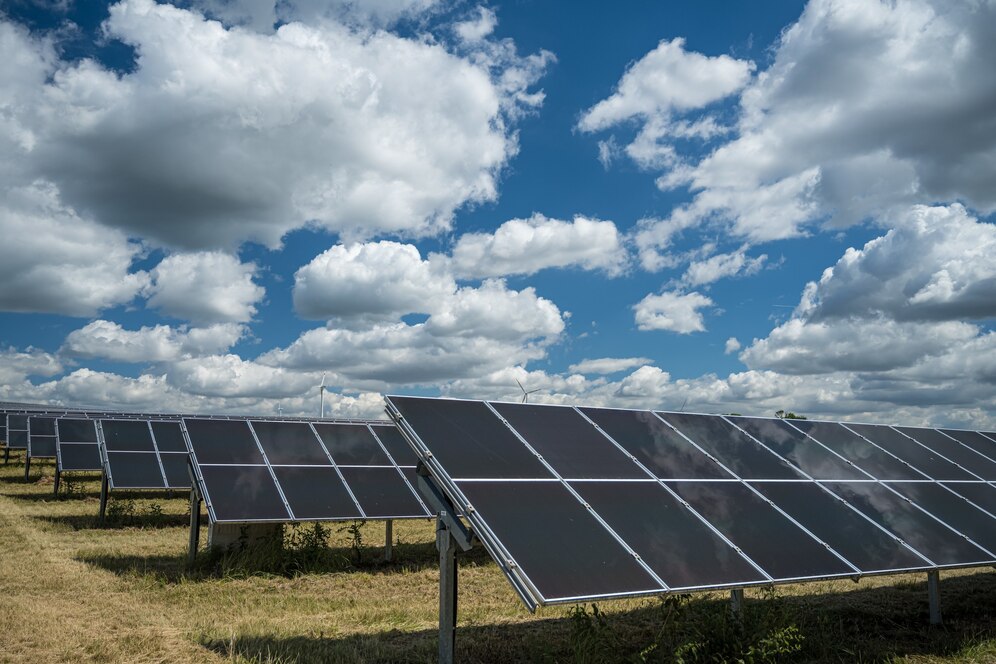
Can Solar Energy Survive the Cloudy Day Dilemma?
One of the most common misconceptions about solar energy is that it’s ineffective in cloudy or cold weather. Many people assume that solar panels only work in sunny, warm climates, but the reality is far more nuanced. This blog explores how solar energy can thrive in different weather conditions, including surprising examples from countries that receive little direct sunlight.

Solar Career Opportunities Why the Renewable Energy Sector is the Future for Youth
The world's energy situation is changing dramatically. Renewable energy is emerging as one of the world's fastest-growing sectors as nations shift to greener and more sustainable energy sources. Because of its affordability, scalability, and environmental advantages, solar energy has become one of the most popular renewable energy sources.
The solar and renewable energy industries provide enormous opportunity for young professionals and students seeking future-proof professions. The sector is generating thousands of new employments annually because to growing investments, government assistance, and the growing need for renewable energy. This blog examines the reasons why renewable energy, particularly solar energy, is emerging as a potential career option for young people as well as the prospects in this quickly expanding industry.